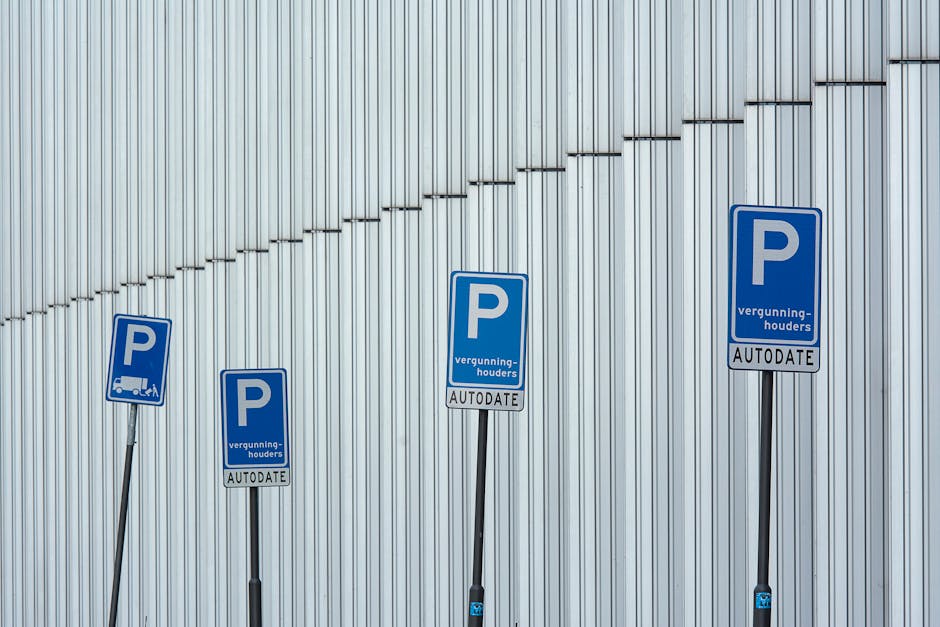
Parking permits for Kingston moves what councils expect
Moving day in Kingston can feel simple right up until the van pulls up and there's nowhere legal to stop. Then the nerves start. Are you blocking a narrow street? Will the council want a permit? Does the driver need to book in advance, or can it be sorted on the morning? Those are the real questions people ask when they search for parking permits for Kingston moves what councils expect.
This guide breaks it down in plain English. You'll learn what councils usually expect, why parking permission matters, how the process works in practice, and the common mistakes that can turn a tidy move into an expensive headache. If you want a smoother day, especially for a busy house move, flat move, or office move, this is the kind of planning that pays for itself.
In our experience, the best move is rarely the one with the biggest truck. It's the one with the cleanest logistics.
Contents
- Why this matters for your move
- How parking permits and loading work
- Key benefits and practical advantages
- Who needs a permit and when it makes sense
- Step-by-step guidance
- Expert tips for better results
- Common mistakes to avoid
- Tools, resources and recommendations
- Law, compliance and best practice
- Options and comparison
- Real-world example
- Practical checklist
- Conclusion
- Frequently asked questions
Why Parking permits for Kingston moves what councils expect Matters
Parking is not just a small detail on moving day. It affects timing, access, safety, and sometimes whether the entire job runs to plan. Councils generally expect movers to avoid blocking traffic, overstaying in restricted bays, or using loading space in a way that creates risk for pedestrians and other road users.
That matters even more in Kingston, where many streets are tight, parking is limited, and an ordinary delivery van can quickly become a traffic problem if it stops in the wrong place. A permit, suspension, or loading arrangement is often the difference between a calm unload and a driver having to keep circling the block while boxes pile up at the front door.
There's also a trust angle. If you've hired a man and van service or booked house removals, you want the crew focused on lifting, packing, and careful handling, not improvising around a parking problem. The council's expectation, broadly speaking, is simple: plan ahead, use the street responsibly, and don't assume a commercial vehicle can stop wherever it likes.
One small practical detail: even if your van is only there for a short time, the street still has to work for everyone else. That's the bit people miss.
How Parking permits for Kingston moves what councils expect Works
Parking arrangements for moves usually fall into a few broad categories. The exact route depends on the street, the type of vehicle, the time of day, and whether you need to occupy a bay, loading area, or part of the carriageway. Councils often want advance notice because they may need to manage shared parking space, resident bays, suspensions, or temporary access restrictions.
In practice, the process usually looks like this:
- Check the property location and nearby parking restrictions.
- Work out whether the moving vehicle can legally stop close enough to load safely.
- Confirm whether you need a permit, bay suspension, or another local arrangement.
- Apply with the required lead time, if applicable.
- Make sure the driver and household know exactly where the vehicle can park.
- Keep the loading area clear on the day so the move is not delayed.
That last point sounds obvious, but it saves a lot of grief. A permit is no use if the bay is full of someone else's car at 8:00 a.m. and nobody has thought through a backup plan.
It also helps to separate parking permission from moving permission. A permit is about where the van can stop. It does not magically give you the right to ignore obstruction rules, double yellow lines, school zigzags, or suspended bays. Councils expect movers to stay within the actual terms of the arrangement, not just the spirit of it.
Key Benefits and Practical Advantages
Getting the parking side right offers more than legal peace of mind. It often improves the whole move from start to finish.
- Faster loading and unloading: when the van can park close to the property, crews spend less time carrying heavy items long distances.
- Lower risk of damage: fewer trips up and down the road means fewer chances for knocks, dropped items, or scratched furniture.
- Less stress for everyone: you are not trying to solve parking at the same time as dismantling beds or finding the kettle.
- Better neighbour relations: the street is less likely to feel blocked or chaotic.
- Reduced chance of fines or enforcement issues: nobody wants to start a moving day with a ticket on the windscreen.
If you're arranging a wider move, these benefits compound. A clean parking setup supports the packing team, the driver, and the timing of everything else, from key handover to storage drop-off. For example, if you're using packing and boxes and then placing some items in storage, a predictable loading point makes the handover much smoother.
Expert summary: the best parking plan is the one that keeps the vehicle legal, the access short, and the day predictable. Short walk. Clear bay. No improvising.
Who This Is For and When It Makes Sense
Parking permits are not only for huge removals. They can make sense for a wide range of moves, especially in built-up Kingston streets where space is tight and timing matters.
You are likely to need one, or at least need to check, if you are:
- moving from a terraced house with limited frontage
- leaving or entering a flat on a busy road
- using a larger removals vehicle or moving truck
- moving on a weekday when parking demand is higher
- working around resident-only bays or timed restrictions
- moving office equipment, stock, or bulky furniture
- handling a same-day or last-minute move
This is especially relevant for flat removals, student removals, and office removals, where the building access is often more awkward than people expect. A small road can work perfectly for a compact van but be a nightmare for a larger truck.
To be fair, not every move needs formal parking paperwork. A quiet cul-de-sac with plenty of unrestricted space may be fine. But assuming that's the case without checking? That's where people trip up.
Step-by-Step Guidance
Here's the most practical way to handle parking for a Kingston move without overcomplicating it.
1. Assess the property and road layout
Start with the basics. Is there a driveway, a forecourt, resident parking, pay-and-display bays, or loading-only areas nearby? Walk the route from the van to the front door and picture it with sofas, boxes, and a trolley in the mix. If the route looks awkward on foot, it will feel twice as awkward with furniture.
2. Identify the vehicle size
A compact removal van may fit into spaces that a larger truck simply cannot. That matters because councils and building managers care about both the road space and how long the vehicle occupies it.
3. Decide whether you need a permit or suspension
Some streets only need a basic parking arrangement. Others may require a formal request if you need to reserve a bay or prevent other vehicles from using it. The distinction matters because the wrong assumption can leave you with nowhere legal to stop.
4. Build in lead time
Don't leave parking to the day before. Even when the move itself is straightforward, the parking side can need advance notice. If your move date is fixed, sort the permit question early. It's one less thing nagging at you while you pack the last mug.
5. Share clear instructions with everyone involved
The driver, the household, and any helpers should all know where the vehicle is expected to park, what time access starts, and what the fallback plan is if the space is taken. Clear instructions remove a surprising amount of friction.
6. Keep the access point clear on the day
When the vehicle arrives, the space should be usable immediately. That means no bin, no visitor's car, no mystery obstacle from the neighbour's hedge trimmings. If you're organising a larger relocation, this is also where good planning around removals or home moves really shows.
7. Leave a little flexibility
Traffic happens. A van can be delayed by roadworks, deliveries, or a delivery lorry parked badly around the corner. A bit of flexibility in your schedule makes the whole day less brittle.
Expert Tips for Better Results
A few small habits make a big difference.
- Measure the practical distance: not just road-to-road, but from parking spot to front door and through hallways, stairwells, or lifts.
- Match the vehicle to the street: a smaller vehicle can be the smarter choice if parking is tight.
- Think about weather: rain makes long carries slower and messier, especially with cardboard and soft furnishings.
- Watch for school runs and peak commuter times: Kingston roads can feel very different at 7:30 a.m. than they do at midday.
- Have a backup loading point: if the first space is taken, know where the next legal option is.
- Keep essential items separate: documents, keys, phones, and kettle gear should not be buried in the van if parking problems slow things down.
If your move includes fragile or awkward items, the parking plan matters even more. A piano, for instance, is not the kind of thing you want to carry a long distance while dodging traffic. That is one reason people book specialist piano removals or ask about removal truck hire when the load is substantial.
And yes, it can feel like a lot to think about. But after you've done it once, it becomes obvious. The street is part of the moving plan, not an afterthought.
Common Mistakes to Avoid
These are the missteps that cause the most avoidable problems.
- Leaving parking until the last minute: this is the big one. A late request can limit your options.
- Assuming a van can stop "just for a minute": enforcement does not usually care that the kettle is still in the old kitchen.
- Forgetting about height, width, or turning room: a space may look fine but still be unusable for the actual vehicle.
- Not telling neighbours or building management: surprises in shared parking areas tend to go badly.
- Ignoring loading distance: a legal space that is too far away can make the move slower and riskier.
- Using a bigger vehicle than the street can support: sometimes the "more efficient" option is not efficient at all.
A slightly awkward truth: plenty of moving stress comes from trying to save ten minutes and losing an hour. Parking is one of those areas where boring planning wins.
Tools, Resources and Recommendations
You do not need fancy software to manage parking for a move, but a few simple tools help.
- A phone camera: take photos of the street, access point, and any signs or bay markings.
- A notepad or notes app: record the vehicle size, access time, and loading instructions.
- A rough site sketch: even a hand-drawn plan can show where the van should stop.
- A checklist for the move day: especially useful if several people are helping.
- A clear quote conversation: if you're comparing removal companies, ask how they handle restricted parking and awkward access.
If you want a fuller service that covers the lifting and logistics as well as the transport, a removal services package can be a sensible choice. For commercial moves, the same logic applies, just with more moving parts and less room for error. If that sounds familiar, see commercial moves and plan access before the desks start coming out.
It also helps to understand the business side of the job. If you are comparing options, the pricing and quotes page can help you think through what influences cost and what details matter when getting an accurate estimate.
Law, Compliance, Standards, or Best Practice
This topic sits close to local parking control, road safety, and common-sense moving practice. The exact rules vary by council and by street, so it is always wise to check local requirements rather than assuming one arrangement works everywhere. That caution is not bureaucratic fussiness; it protects you from fines, disputes, and delays.
From a best-practice perspective, councils generally expect three things: lawful parking, safe loading, and minimal disruption to neighbours and traffic. A moving crew should not block sightlines, stop on unsafe road markings, or create a hazard just to save a few steps. That is why well-run moving days tend to plan the vehicle position before the first box is moved.
For households and businesses, the practical standard is simple enough:
- use the smallest suitable vehicle where appropriate
- notify the right people in advance
- respect any bay restrictions or access conditions
- keep the process tidy and time-limited
- document the plan so everyone follows the same instructions
Good operators also think about insurance and safety. If a crew is working near moving traffic, or using a busy road as the loading point, they should treat it as a live work area. That is one reason it can be useful to review insurance and safety and health and safety policy information when choosing who to book. It is not glamorous, but it matters.
Options, Methods, or Comparison Table
There is more than one way to handle Kingston moving-day parking. The right choice depends on your street, your schedule, and the size of the load.
| Option | Best for | Advantages | Watch out for |
|---|---|---|---|
| Standard street parking | Quiet roads with legal space nearby | Simple, no extra admin | Can fail if spaces fill quickly |
| Loading close to the property | Short urban moves and flats | Faster carry, less strain | May still need permission or careful timing |
| Reserved bay or suspension | Busy roads with limited space | Predictable access, less disruption | Needs more planning and lead time |
| Smaller vehicle approach | Narrow streets or tricky access | Easier to fit, more flexible | May need more trips if the load is large |
There is no perfect option for every move. A small van can be brilliant in a tight Kingston street, but if you are moving a whole family home, a larger vehicle might still make sense if the parking arrangement supports it. Balance is the key thing.
Case Study or Real-World Example
A typical Kingston move might look like this: a family is leaving a two-bedroom flat on a road with resident parking only. The lift is small, the stairwell is narrow, and there is no driveway. The first instinct is to book the biggest truck available so everything goes in one go. Sounds efficient, right?
But once the parking question is checked properly, the picture changes. The larger vehicle would have struggled to stop legally close to the block, and the unloading distance would have been awkward. Instead, the move is planned around a more suitable vehicle, a clear loading point, and a timed window when street traffic is lighter. The result is less carrying, fewer delays, and much less grumbling from everyone involved.
By late morning, the first van has gone and the flat is clear. Not a dramatic story, perhaps, but that is the point. Good parking planning usually makes a move feel almost boring. And boring is excellent on moving day.
Practical Checklist
Use this checklist before the van arrives.
- Confirm the move date and access time.
- Check whether the road has restrictions, bay controls, or loading limits.
- Decide if a permit, suspension, or alternative parking plan is needed.
- Match the vehicle size to the street and the load.
- Reserve or clear the space in good time where possible.
- Tell the driver exactly where to stop.
- Tell neighbours or building management if shared space is involved.
- Keep the loading area free of cars, bins, and obstacles.
- Prepare essentials separately so delays do not cause chaos inside the property.
- Have a backup plan if the space is already taken.
If you are moving a student room, a small flat, or a single bulky item, the same checklist still helps. The scale changes, but the logic does not.
Get a free quote today and see how much you can save.
Conclusion
Parking permits for Kingston moves what councils expect is really about planning the street as carefully as the boxes. Councils want moves to be safe, orderly, and considerate. You want the day to be quick, legal, and less stressful than the average Tuesday in a moving van. Those goals line up more than people think.
If you sort the parking early, match the vehicle to the road, and keep everyone informed, you remove one of the biggest sources of moving-day friction. That leaves you free to focus on the things that actually matter: getting settled, protecting your belongings, and starting fresh without the usual last-minute scramble.
Truth be told, the best moves are rarely the most dramatic ones. They are the ones that feel calm by 10:30 a.m. and a bit easier than expected. That's a good day.
Frequently Asked Questions
Do I always need a parking permit for a move in Kingston?
No, not always. If there is legal, available space close to the property, you may not need one. But if the road is restricted, busy, or tightly controlled, you should check in advance.
Who usually arranges the parking permit, the customer or the removals company?
It depends on the provider and the service level. Some customers arrange it themselves, while some moving teams help advise on the process. It is best to confirm this early so nobody assumes the other side has done it.
How far in advance should I think about parking arrangements?
As early as possible. If your move is in a busy part of Kingston or involves a restricted bay, leave enough time for checks and any required permission.
What happens if the moving van cannot park near the property?
The crew may need to carry items a longer distance or wait for a better space. That can slow things down and increase the risk of delay or damage, so a backup plan helps.
Can a smaller van reduce parking problems?
Yes. A smaller vehicle is often easier to place in tight streets and may be a better fit for flats, student moves, or partial loads. It is not always the answer, but often it is the smart one.
What should I tell my removals team about parking?
Tell them about restrictions, nearby bays, access times, road width, height barriers, and any shared parking issues. The more accurate the picture, the easier the move will be.
Are bay suspensions the same as parking permits?
Not exactly. A permit may allow controlled parking, while a bay suspension usually reserves space for a specific purpose. The terminology and process can vary, so check what is actually needed for your street.
Does parking matter for office moves too?
Absolutely. Office relocations often involve bigger loads, stricter timing, and more people trying to access the same building. Parking planning is just as important, sometimes more so.
What if I am moving on a weekend?
Weekend parking may be easier in some places, but that does not mean it is unrestricted. Always check the local rules rather than assuming quieter roads equal free parking.
Can poor parking planning make a move more expensive?
It can. Delays, extra carrying distance, waiting time, and the need for a different vehicle can all affect the overall cost or the efficiency of the move.
Is it worth choosing a removals service that understands local parking issues?
Yes, very much so. A team familiar with Kingston streets is more likely to anticipate access problems, choose the right vehicle, and keep the day moving without drama. That local know-how can save a lot of hassle.
Where should I start if I want help with the full move, not just parking?
Start with a service that can cover the transport, loading, and planning together. Options such as man with a van, man with van, or more comprehensive removals can be a good fit depending on the size of the job.