Removals for Kingston KT1 homes near Kingston Bridge
Moving home in KT1 can feel strangely exciting and slightly chaotic at the same time. If you're planning removals for Kingston KT1 homes near Kingston Bridge, you're probably juggling parking, stairs, boxes, neighbours, traffic, and the question everyone asks too late: where did all this stuff come from?
That stretch around Kingston Bridge has its own rhythm. Busy roads at the wrong moment, tight access on some residential streets, flats above shops, riverside routes, and the usual London moving-day quirks. The good news? A well-planned move in this part of Kingston is absolutely manageable. In this guide, we'll walk through how local removals work, what to expect, what to avoid, and how to choose the right help for your home, your timeline, and your budget.
If you want a broader overview of moving support across the borough, you may also find our removals in Kingston service page useful, along with the wider removal services overview. We'll keep things practical here, not fluffy. Let's face it, moving day is busy enough already.
Table of Contents
- Why Removals for Kingston KT1 homes near Kingston Bridge Matters
- How Removals for Kingston KT1 homes near Kingston Bridge Works
- Key Benefits and Practical Advantages
- Who This Is For and When It Makes Sense
- Step-by-Step Guidance
- Expert Tips for Better Results
- Common Mistakes to Avoid
- Tools, Resources and Recommendations
- Law, Compliance, Standards, or Best Practice
- Options, Methods, or Comparison Table
- Case Study or Real-World Example
- Practical Checklist
- Conclusion
- Frequently Asked Questions
Why Removals for Kingston KT1 homes near Kingston Bridge Matters
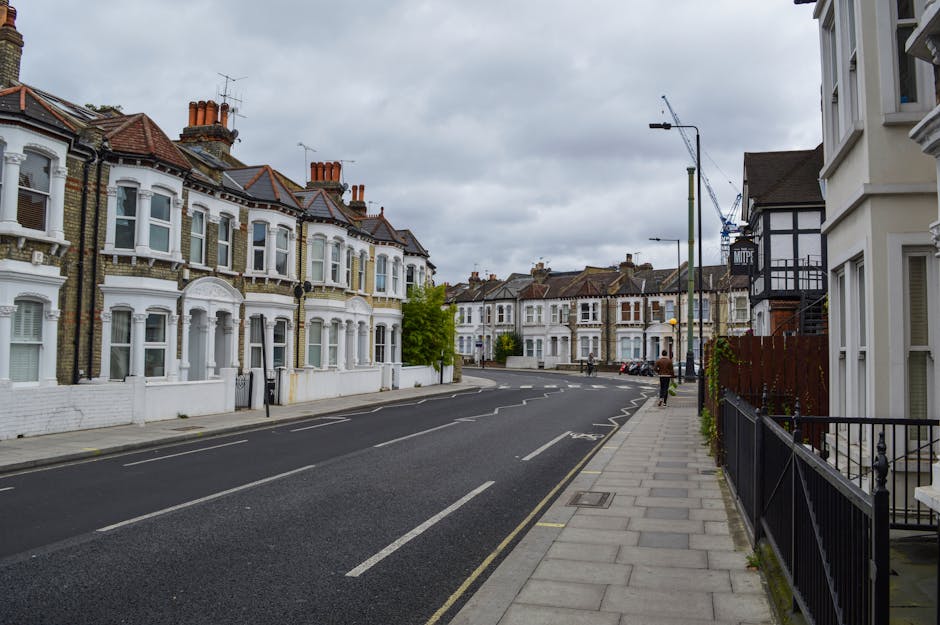
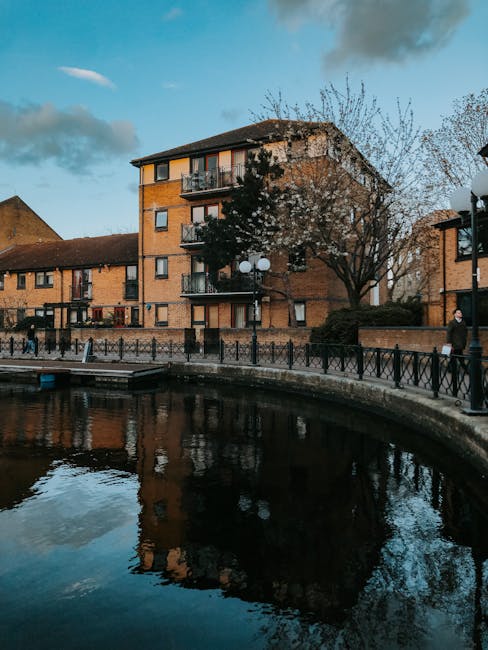
Kingston Bridge is a genuinely useful landmark for understanding local moving conditions. Homes nearby can sit in areas with a mix of apartment blocks, period terraces, riverside streets, and busier town-centre access points. That means a move here is rarely just a matter of turning up with a van and hoping for the best. You often need timing, parking awareness, and a plan for getting items safely from front door to vehicle without blocking traffic or causing headaches for neighbours.
Why does that matter? Because even a small move can turn messy if the access is awkward. A sofa that looks easy in a hallway can become a challenge on a narrow stairwell. A one-bedroom flat can still generate a surprising number of boxes. And if you're near the bridge itself, traffic flow, loading space, and timing can all influence how smooth the day feels.
For many residents, the real value of local removals is simple: less stress, less delay, fewer surprises. You're not just paying for a van. You're paying for judgement. Where should the vehicle stop? How long will loading take? Do you need extra protection for furniture? Is storage worth considering if completion dates don't line up? Good moving support answers those questions before they become problems.
If you're still comparing providers, it can help to look at the wider local market first. Our guide to choosing removal companies in Kingston covers what to ask, what to check, and how to avoid penny-wise, pound-foolish mistakes.
How Removals for Kingston KT1 homes near Kingston Bridge Works
At a practical level, the process is usually straightforward. The difference lies in the planning. A typical local home removal in KT1 near Kingston Bridge will involve an initial quote, a survey or detailed inventory, a moving date, and then loading, transport, and unloading at the destination. Simple on paper. Slightly more involved in real life.
Here's the typical flow:
- Assess what's being moved. This may be done through photos, a call, an online form, or a visit depending on the size and complexity of the move.
- Check access and timing. Nearby roads, parking, lift access, staircases, and loading restrictions can all affect the plan.
- Choose the right service level. That might be a full house move, a smaller man and van option, or a flat removal service.
- Prepare items in advance. Packing, dismantling, labelling, and protecting furniture all save time on the day.
- Move and unload methodically. The team loads heavier items first, secures fragile pieces, and keeps the route clear.
- Settle into the new place. Boxes and furniture go to the right rooms, which honestly makes unpacking feel a lot less grim.
For smaller properties or single-vehicle jobs, a flexible option such as man and van in Kingston or man and a van Kingston may be the best fit. For larger family homes, a dedicated house removals service is often the better choice because it gives you more capacity, more protection, and more breathing room.
One small but important point: local access matters more than people expect. A move near Kingston Bridge can look close on a map yet still require careful routing, especially if parking or loading bay space is limited. That's where experience really counts.
Key Benefits and Practical Advantages
Choosing the right removals support near Kingston Bridge is about more than convenience. Done well, it can save time, reduce damage risk, and make the whole day feel less like a fire drill. And who doesn't want that?
- Less physical strain: Heavy lifting, awkward furniture, and stair carries are handled by people used to the job.
- Better protection for your items: Proper wrapping, loading order, and vehicle securing help reduce breakages and scuffs.
- More efficient timing: A local crew can plan around Kingston traffic patterns and access realities.
- Reduced disruption: Good planning means less blocking, less noise, and less time with the front door open while the weather does its thing.
- Clearer cost control: A well-scoped quote is easier to trust and easier to compare.
- Less mental clutter: This one gets overlooked. A calm move day is worth a lot.
There's also a practical flexibility advantage. If you're between places, waiting on keys, or dealing with a delayed completion, a move can sometimes be staged with help from storage options in Kingston. That can keep furniture safe while you wait for the next step.
Expert summary: for homes near Kingston Bridge, the best removals service is usually the one that combines local route awareness, realistic time planning, careful handling, and clear communication. Not the flashiest quote. The most dependable one.
Who This Is For and When It Makes Sense
This kind of move suits a lot of different people. You might be a homeowner moving across Kingston, a tenant relocating to another flat, a family upsizing, or someone downsizing after years in the same place. The common thread is local complexity. Near the bridge, the environment is lively, which is great until moving day arrives and you've got a mattress to manoeuvre past a parked car and a cyclist's bell ringing in the background.
It makes particular sense if:
- you live in a flat or maisonette with stairs or lift access;
- your property is on or near a busier road with awkward loading;
- you have bulky furniture, fragile items, or a piano;
- you're moving on a tight schedule;
- you need help packing, not just transport;
- you want to avoid borrowing a van and spending your weekend wrestling with straps, blankets, and bad decisions.
Students and smaller households often prefer a lighter service. If that sounds like your situation, look at student removals in Kingston or flat removals in Kingston. If you're shifting business equipment rather than sofas, then office removals Kingston is a better match.
Truth be told, this topic is less about property type and more about logistics. Even a modest one-bed flat near Kingston Bridge can require careful planning if parking is tight and the stairs are narrow. You don't need a huge move to need a smart plan.
Step-by-Step Guidance
If you want a smoother move, work through it in stages. Trying to do everything on the last day is how people end up packing a kettle in a laundry basket. Not ideal.
1. Start with an honest inventory
List the big items first: beds, wardrobes, sofas, dining tables, white goods, mirrors, and anything awkward or fragile. Then add the boxes and smaller pieces. Be realistic. Most people underestimate volume the first time around.
2. Check access at both addresses
Measure doorways, note stair turns, confirm lift sizes if relevant, and identify where the vehicle can stop. If you live near the bridge, pay special attention to parking and loading space. Small details here make a big difference later.
3. Decide what you're packing yourself
Some people are happy packing everything. Others want help with fragile items or full-service packing. If you're short on time, the packing and boxes Kingston service can reduce stress and improve protection for glassware, books, and delicate bits that always seem to multiply.
4. Book the right vehicle and crew
Use a vehicle sized for the job. Too small, and you create multiple trips. Too large, and you may pay for more than you need. A good quote should account for both access and load volume.
5. Label by room, not just by item
"Kitchen - mugs and plates" is more useful than "fragile box 7". Your future self will thank you, probably while looking for a toaster at 7:15 in the morning.
6. Prepare a first-night box
Keep essentials separate: toiletries, chargers, kettle, tea bags, medication, documents, snacks, and a change of clothes. It sounds obvious until you need it.
7. Confirm timing and communication
Agree the arrival window, payment method, and contact details in advance. If anything changes, tell the removals team early. It's much easier to adjust before the van is already outside.
Expert Tips for Better Results
Here are the small things that make a surprisingly big difference. They're not glamorous. They just work.
- Book earlier for bridge-area moves. Busier roads and tighter access windows can narrow your preferred time slots.
- Avoid peak congestion where possible. Early morning is often calmer than late morning, though local conditions vary.
- Wrap furniture before you think it needs wrapping. A corner chip is annoying. A scratched table you've had for years is worse.
- Photograph cable setups and furniture assemblies. Rebuilding is much easier with a quick picture from the old place.
- Ask about insurance and handling procedures. You want to know how a company protects goods in transit, not just whether they "should be fine".
- Keep hallways clear. It sounds minor, but clutter slows everything down and increases trip hazards.
If you're moving something valuable, unusual, or just plain awkward, say so early. A heavy mirror, large wardrobe, or upright piano needs a specific approach. For specialist items, see furniture removals in Kingston and piano removals Kingston.
Small aside: a little preparation goes a long way. It's the difference between "that was tiring" and "that was actually fine". Which is about as good as moving gets, to be fair.
Common Mistakes to Avoid
Most moving problems are preventable. The same few mistakes show up again and again, and they're rarely dramatic. They're just expensive, annoying, and time-consuming.
- Underestimating how much you own. A quick glance is not an inventory.
- Leaving packing until the night before. Late packing tends to create damage, confusion, and missing essentials.
- Ignoring parking and access. Near Kingston Bridge, this can turn a neat plan into a slow one.
- Choosing purely on price. The cheapest quote can hide weak service, poor communication, or extra charges.
- Not separating essentials. If you need your passport, laptop, or baby items, they should not be lost in a sea of cardboard.
- Forgetting about disposal or recycling. Moving is a good moment to declutter properly rather than hauling unloved items to the new place.
Another common one? Not checking terms carefully. A respectable provider should be clear about scope, payment, cancellation, and what happens if access turns out to be more difficult than expected. If you want to review service commitments and customer-facing policies, the pages on terms and conditions and complaints procedure are worth a look.
And yes, this is the part where some people realise they've packed the Wi-Fi router in a box labelled "winter coats". It happens more than you'd think.
Tools, Resources and Recommendations
You do not need a mountain of equipment to move well, but a few basics help enormously.
Useful moving tools
- strong double-walled boxes for books and kitchenware;
- packing paper or bubble wrap for fragile items;
- marker pens and room labels;
- tape that actually sticks;
- furniture blankets or quilted covers;
- ratchet straps for secure transport;
- basic tools for dismantling beds and shelves;
- bin bags for last-minute soft items and rubbish.
Helpful planning resources
For broader decision-making, it can help to read about the local area and market conditions. Our Kingston guides on living in Kingston and the property market in Kingston can give useful context if you're relocating within the borough or timing a sale and purchase.
If you're still researching service options, the services overview is a good place to compare move types before requesting a quote. And if you'd like a clear sense of how pricing is usually structured, the pricing and quotes page explains the basics without jargon.
For local insight beyond removals, some people also like to understand the neighbourhood better before moving in. That can include practical lifestyle reading like quieter corners of Kingston or the friendlier, social side covered in great party venues in Kingston. Not directly about removals, no, but still helpful when you're planning what life will feel like after the boxes are gone.
Law, Compliance, Standards, or Best Practice
For most home removals in the UK, the practical focus is on safe handling, honest quoting, vehicle suitability, and responsible transport. You do not need to become a legal expert to move house, thankfully, but you should expect basic professional standards.
Good best practice usually includes:
- clear pre-move communication about access, volume, and timing;
- careful handling procedures for furniture and fragile items;
- appropriate insurance arrangements for goods in transit and public liability where relevant;
- safe loading methods that reduce the risk of injury or damage;
- transparent payment terms before work begins;
- respect for neighbours, shared hallways, and building rules in flats or managed developments.
If you live in a building with communal areas, it is also sensible to check any moving rules set by the landlord, freeholder, or managing agent. That may include lift booking, protective coverings, or restricted moving hours. Not every building does this, but enough do that it's worth asking.
Reputable companies should also be able to explain their approach to safety and responsibility. The pages on insurance and safety and health and safety policy are useful trust signals when you're checking how a provider works behind the scenes.
Options, Methods, or Comparison Table
Different moves call for different approaches. The right one depends on volume, access, urgency, and how hands-on you want to be. Here's a practical comparison.
| Option | Best for | Typical strengths | Things to watch |
|---|---|---|---|
| Man and van | Small flats, a few large items, short local moves | Flexible, often cost-effective, quick to arrange | Less ideal for large homes or complex access |
| Dedicated removal van | Medium-sized household moves | More room, better loading structure, smoother transport | May be more than you need for very small jobs |
| Full house removals | Family homes, full contents, bigger furniture | Best all-round support, reduced manual strain, stronger coordination | Needs more planning and usually a bigger budget |
| Same-day removals | Urgent moves, last-minute dates, unexpected changes | Fast response, useful in a pinch | Availability can be limited; not every move suits this |
| Storage plus removals | Gap between completion dates or decluttering during a move | Flexible timing, less pressure on move day | Extra cost and an added handover step |
If you're uncertain where your move fits, a short conversation is usually enough to narrow it down. Some jobs sound like a simple van run and turn out to need proper furniture protection. Others look bigger on paper than they are in practice. Honest assessment is everything.
Case Study or Real-World Example
Picture a fairly typical KT1 move: a two-bedroom flat a short distance from Kingston Bridge, with a couple of flights of stairs, a wardrobe that barely fitted in the room in the first place, and a completion time that could slip by an hour or two. Nothing dramatic. Just enough moving parts to make the day awkward if no one plans ahead.
In a case like that, the smoothest approach is usually:
- confirm access and parking the day before;
- split packing into essentials, non-essentials, and fragile items;
- dismantle the bed frame in advance;
- use proper wraps for the wardrobe, table edges, and mirror;
- keep a small box aside for keys, chargers, and documents;
- load in a set order so the heaviest furniture sits safely in the vehicle first;
- move boxes to the correct rooms rather than dumping them in one pile.
What tends to make the biggest difference? Communication. Not perfect communication. Just clear, early, realistic updates. If the keys are delayed, say so. If the sofa is larger than expected, say so. If there's a parking issue near the bridge, say so. Small honesty saves a lot of stress later.
That sort of move rarely becomes memorable for the wrong reasons when the plan is clear. It just feels calm, a bit busy, then suddenly done. Nice, actually.
Practical Checklist
Use this as a simple pre-move checklist for homes near Kingston Bridge.
- Confirm your moving date and arrival window.
- Check parking and access at both addresses.
- Measure any tight doorways, stairs, or lift spaces.
- Book the right service level for the volume you have.
- Request a clear quote with any extras explained.
- Arrange packing materials or full packing support if needed.
- Label boxes by room and priority.
- Prepare a first-night essentials box.
- Protect fragile and high-value items early.
- Confirm insurance and payment details.
- Notify your building manager or neighbours if required.
- Set aside keys, documents, and chargers in one safe place.
- Plan for storage if your dates do not line up.
Quick takeaway: if you handle access, packing, and timing properly, the actual move becomes much easier. Most of the stress sits in the gaps between those things. Close the gaps, and the day improves fast.
Conclusion
Removals for Kingston KT1 homes near Kingston Bridge are all about local awareness, good planning, and choosing the right level of help for your property and timeline. The best moves are rarely the fanciest ones. They're the ones where the quote made sense, the crew knew the area, and the boxes arrived in the right rooms without drama.
If you're moving soon, focus on the basics first: access, packing, timing, and the kind of service that suits your home. That alone will save you a lot of energy. And if you're still comparing options, it can help to learn a bit more about the company itself on the about us page before you commit.
Get a free quote today and see how much you can save.
For a no-pressure next step, you can also contact the Kingston removals team and talk through your move in plain English. Sometimes that first conversation is the point where everything starts to feel manageable again.
Frequently Asked Questions
What makes removals near Kingston Bridge different from other Kingston moves?
The main difference is local logistics. Traffic flow, parking, loading space, and access can be more complicated around Kingston Bridge than on quieter side streets, so planning matters more.
Do I need a full removals service or just a man and van?
It depends on volume and access. A man and van can work well for smaller moves or a few bulky items, while a larger home usually needs a fuller removal setup.
How far in advance should I book a move in KT1?
As early as you reasonably can. If your moving date is fixed, booking early gives you more choice of time slots and helps avoid last-minute pressure.
Can removal teams help with packing as well?
Yes, many can. If you want support with materials and packing, look into packing and boxes Kingston as part of the plan.
What should I do if my completion time is delayed?
Tell the removals team as soon as you know. Delays happen, especially with property chains, and early communication gives everyone a better chance of adjusting the schedule calmly.
Is storage useful for local home moves?
It can be very useful if your move-out and move-in dates do not line up, or if you want to declutter before settling into the new place. See storage in Kingston for more detail.
How do I know if a quote is fair?
A fair quote should be clear about what is included, what might cost extra, and what assumptions are being made about access, volume, and timing. If anything feels vague, ask for clarification.
Do flats near Kingston Bridge need special moving arrangements?
Often, yes. Flats may involve stairs, lifts, concierge rules, or limited parking. That's why flat removals in Kingston can be the better fit for apartment moves.
What if I only need one heavy item moved?
For a single item, a smaller service can be enough. Furniture, pianos, and similar items may need specialist handling, especially if stairs or tight access are involved.
Are same-day moves possible in Kingston?
Sometimes, yes, depending on availability and the size of the job. If your move is urgent, check same-day removals in Kingston as early as possible.
What should I ask before booking a removals company?
Ask about access planning, insurance, packing help, timing, payment terms, and what happens if your schedule changes. If a company answers clearly, that's a good sign.
Can I recycle unwanted items before moving?
Yes, and it's often a smart move. Decluttering before moving day makes packing easier and can reduce the amount you need to transport. If sustainability matters to you, look at the company's recycling and sustainability approach too.
Moving home near Kingston Bridge does not have to feel overwhelming. A little local know-how, some honest preparation, and the right support can make the whole experience far steadier than you expect. One box at a time. That's usually how it gets done.